David is from Ohio. Lisa is from Kansas. They met, moved to South Bend, Indiana, to attend grad school, and had twin boys. And then another boy. And then a girl.
If Advent is supposed to be a season of calm and quiet, we’re failing already. This week our house has been a whirlwind of good but busy things. . . very few of which involved anything calm or quiet.
Nevertheless, here it is Thursday during the week set aside to “Hope.” I appreciated Nijay Gupta’s re-telling of Mary’s part of the Advent story. It’s significant, I think, that he pushes beyond the traditional attention to Mary’s inner life toward recognition that her magnificat proclaims a bold, globalized message.
In this same vein, here are a few other things I’m contemplating this week:
Stanley Haurwas gives a take on the virgin birth: “those that used the virgin birth as the test case for moral rectitude often seemed to forget who it was that was the virgin.“
An art historian explores how artists have depicted Mary through the ages (buckle up for this one. It’s thick but worth the time!)
This from Fleming Rutledge’s Advent: The Once and Future Coming of Jesus Christ:“To be a Christian is to live every day of our lives in solidarity with those who sit in darkness and in the shadow of death, but to live in the unshakable hope of those who expect the dawn.”
Lots of important things to think about and, perhaps, some left unsaid. But this recognition too is appropriate for a season of hope. We do not live in certainty or perfection. The world, including our own lives, is not yet what it should be.
[Oh. And this. You all, please, please follow this. You will not be sorry.]
I’ve been thinking a lot about tradition and ritual (read chapter two of Stained Glass Ceilings if you want to know why). If there’s any season that makes us turn to these things, it’s Advent–which starts tomorrow. Some of us enter this season with warm and happy memories, but for others, the memories are difficult, confusing, and even painful. Some of us feel all of the things all at once and don’t quite know what to do with it all.
All of us could use some fresh rhythms and, as I argue in the book, better storytelling.
So, as we prepare for the coming weeks, I’ve been thinking about how to move this direction. Specifically, I want to nurture practices that hold space for tension, joy and lament, celebration and repentance. Resources that encourage these postures are hard to find. Believe me, I’ve been looking for years. Happily, I’ve found a few that I’ll be using in some way with our family or in the various communities that we participate in during the coming weeks:
Weekly Summary Videos: Northern Seminary shares this set of lovely and accessible (read: short enough to hold my teenagers’ attention) videos. Nijay Gupta re-centers Mary as an active and thoughtful agent of the Gospel in his treatment of Hope. Scot McKnight reminds us that Christians are called to be active “agents of peace” in a violent world. Amy Peeler and Joyce Dalrymple weigh in with thoughts on joy and love.
Art and Contemplation: Nicely aligned with Scot’s call for a more robust notion of peace, Pax offers a beautiful resource called “Waiting with Imagination.” It pairs challenging poetry and artwork with contemplative practice suggestions and pieces with titles like “Jesus Among the Insurrectionists” and “Praying While Cooking” (scroll down until you see “Waiting With Imagination”).
Art Journals: Speaking of artwork, this inexpensive Advent Art Journal guides contemplation through visual art. Or you could DIY it. Writing your own prompts could be a meaningful practice in itself. I did a Lent version with a group a few years ago, but it seems especially appropriate for this Advent season of waiting.
Feeling Crafty?: These origami stars are easy (trust me. I have no origami skills and very little patience) and therapeutic. Also a great way to re-purpose old books pages. If you’re feeling a little more ambitious, try these recycled paper Swedish stars too.
Snacks: One traditional custom I’m not giving up on is the cookies and cinnamon rolls, but last year a friend shared this recipe for more-savory Seedy Scandanavian Crisps. The cranberry and oregano/thyme combo might sound strange, but don’t skip either.
Have you found any meaningful resources for this time of year? What practices give you life for the complex present moment and/or honor the parts of the past that you value?
While you think about it, here are some pictures of us making cookies with the Ohio grandparents.
We live in Wilmore, Kentucky. Our small town has one gas station and two stoplights. There are two coffee shops that service two institutions of higher education, both of which bring people from all over the world to live and work among others who have lived here their whole lives. People smile when they pass you on the sidewalk. You can’t go to the pharmacy without running into someone you know.
Wilmore and its residents are certainly not immune from the toxicity of national politics. Supreme court scandals, Trumpian outrages, and Biden’s infelicities carry coffee shop and dinner table conversations here as much as anywhere. But local remains an operative category. We live out our lives in neighborhoods, churches, and sports leagues. People care how long the line is at the county clerk’s office, whether racist graffiti is painted on a sidewalk, and how often recycling is picked up.
On Tuesday Wilmore voters will choose between ten candidates who are running for six city council seats. They’ll also choose a mayor. The current mayor of 46 (!) years has a challenger for the first time in years.
Over the last week or so, between teaching lots of history and sociology classes and dropping our kids off at orchestra and cross country practices, we spent some time observing the vibrant civic life in our small town.
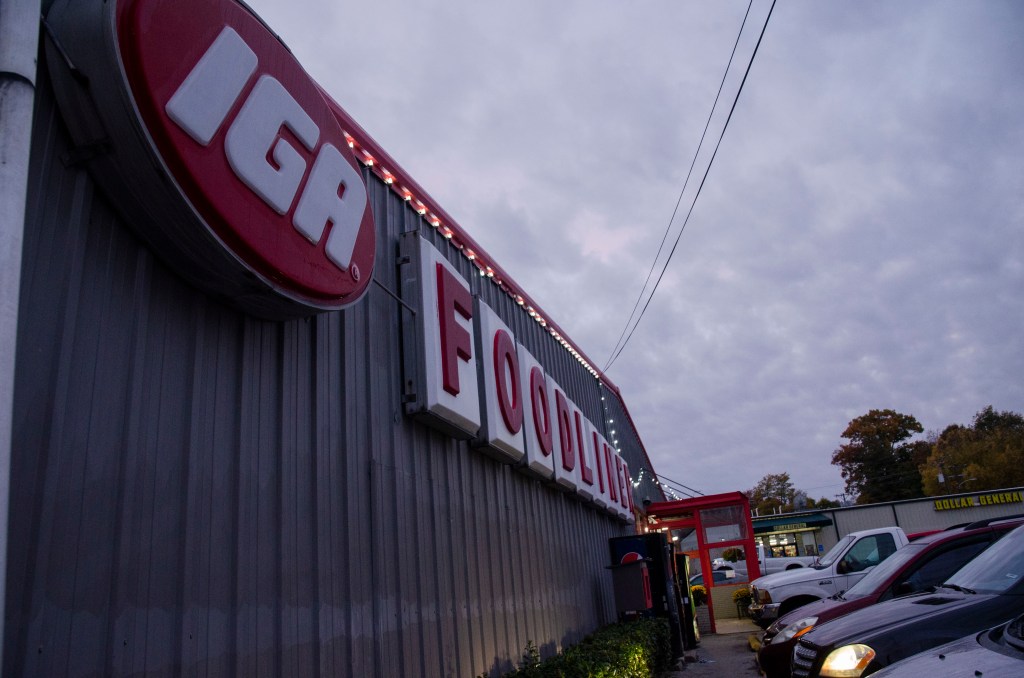
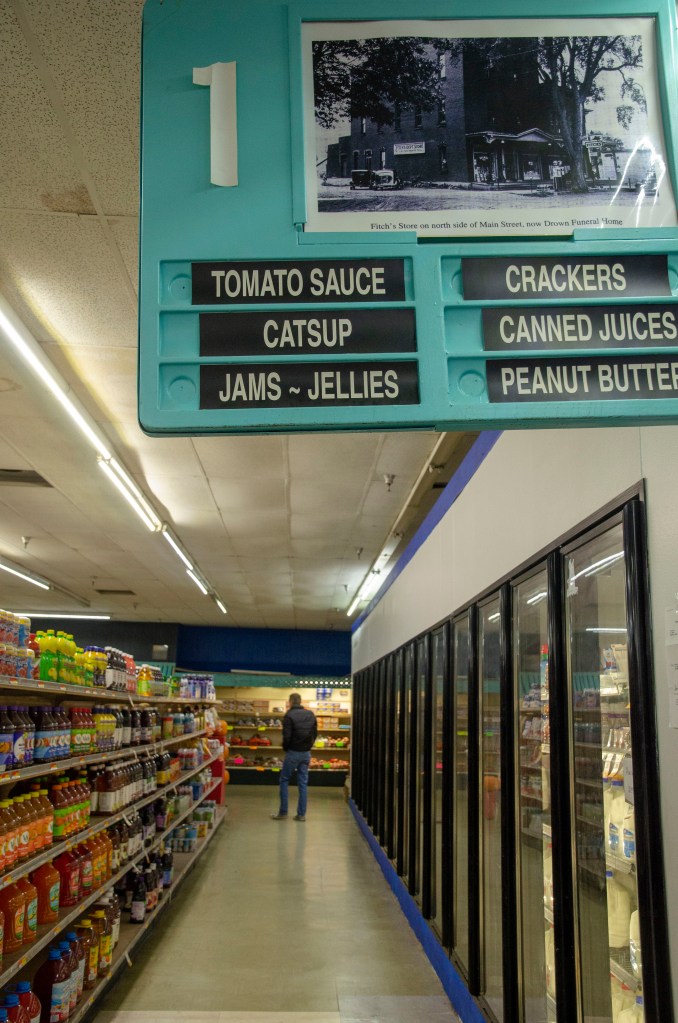
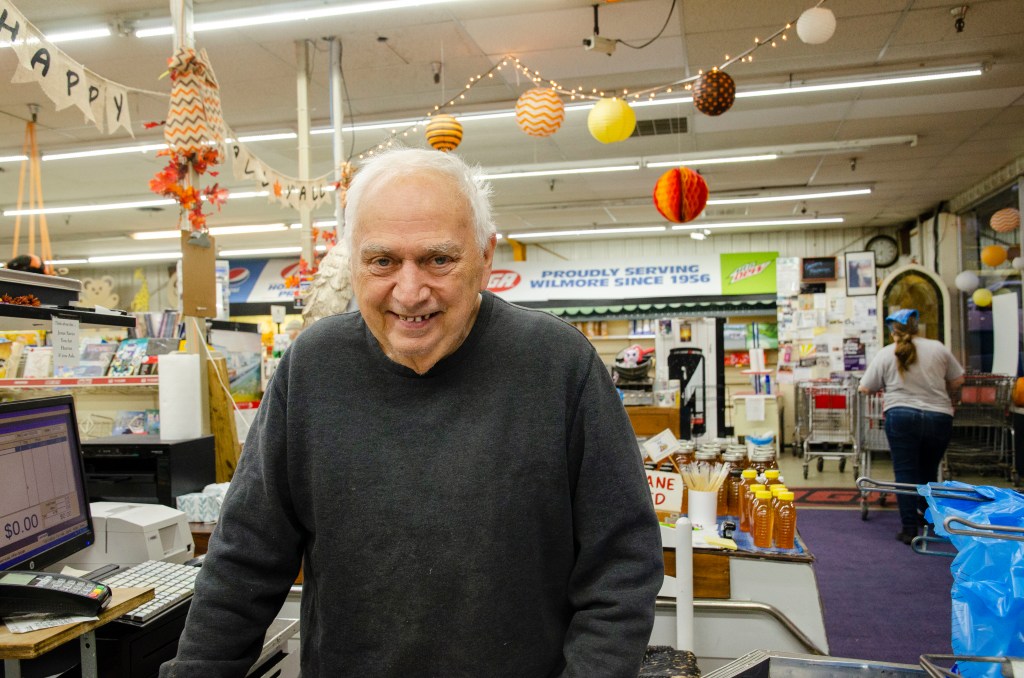
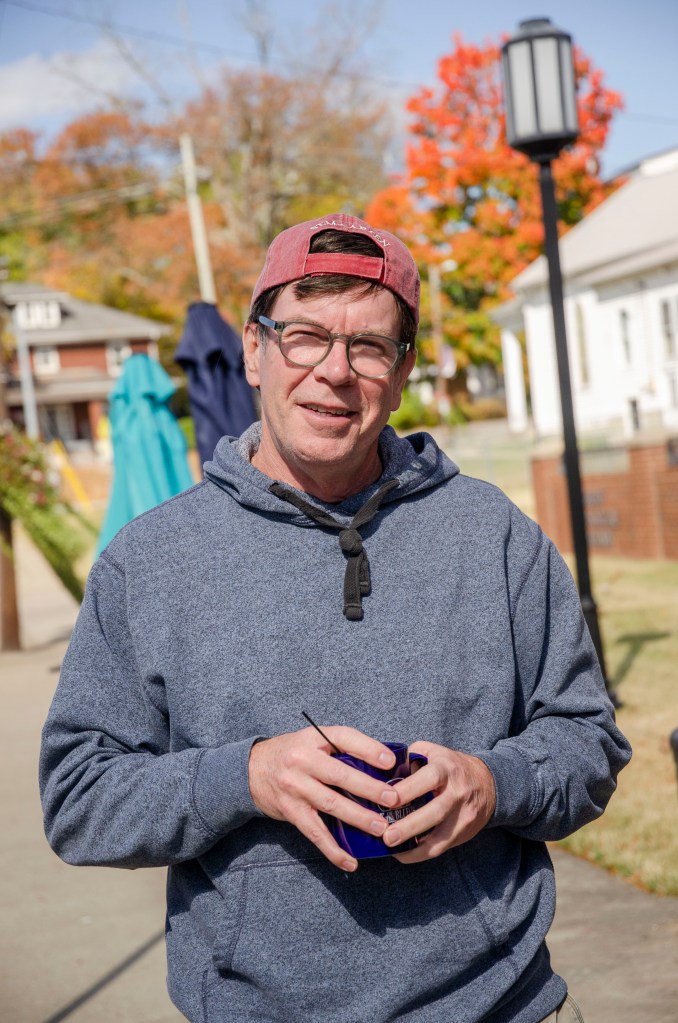
The town’s only grocery store, which is not open on Sundays, draws a small crowd early on weekday mornings for coffee, donuts, and local gossip.
These morning gatherings make the IGA a small-town “third space,” a term used by sociologist Ray Oldenburg to describe places that are neither private nor public. They host informal conversation among friends and acquaintances, operating as a kind of “living room” of society.
“Vote for David Riel. He’s my cousin.” –Ken
“I’ve lived in Wilmore since 1960. I love our community. I want to see it stay the same—without development. We’re about as big as we ought to be.” –Roy
“It don’t really matter to me. I’m not really a political person. It don’t affect me at all. . . . What’s really gonna be controversial in Wilmore?” –Leroy
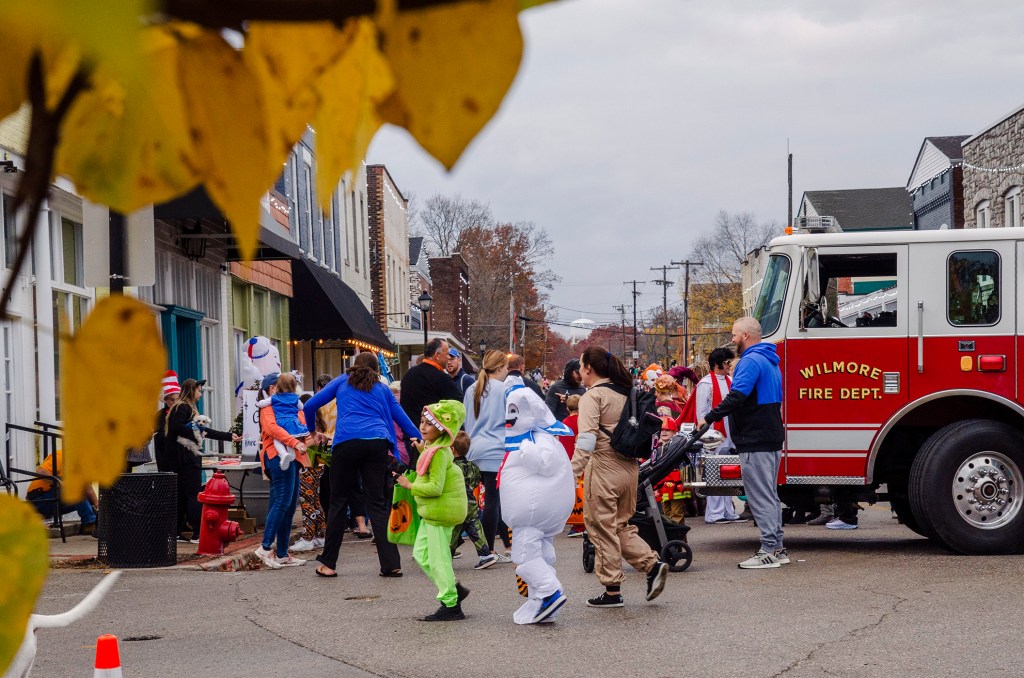
“One of the big issues is going to be the new fire truck. It’s going to be so expensive.” –Leonard
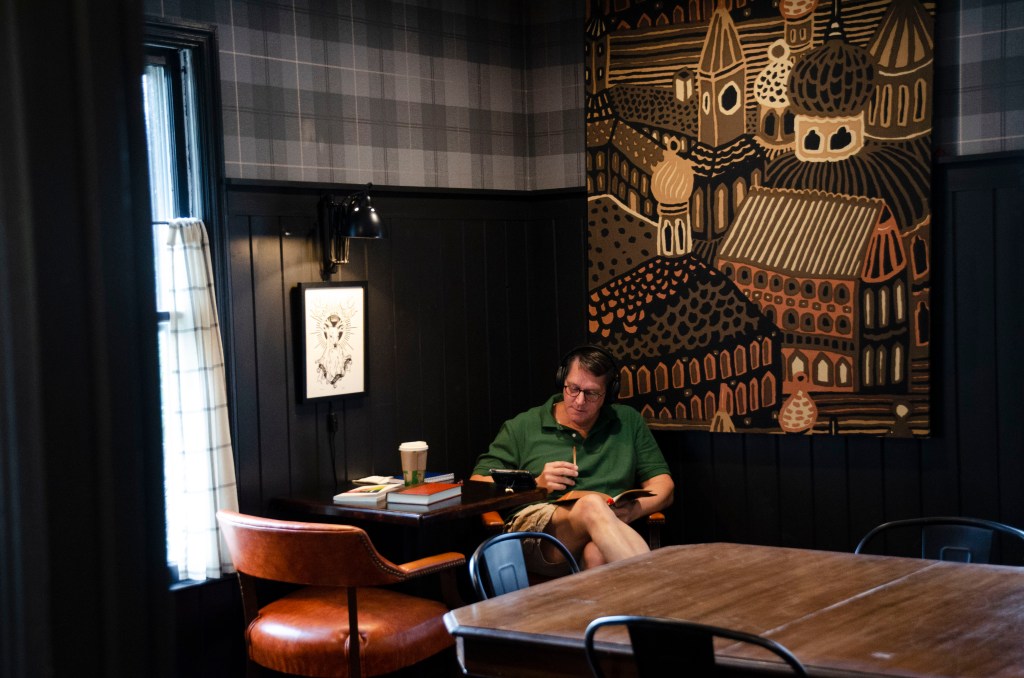
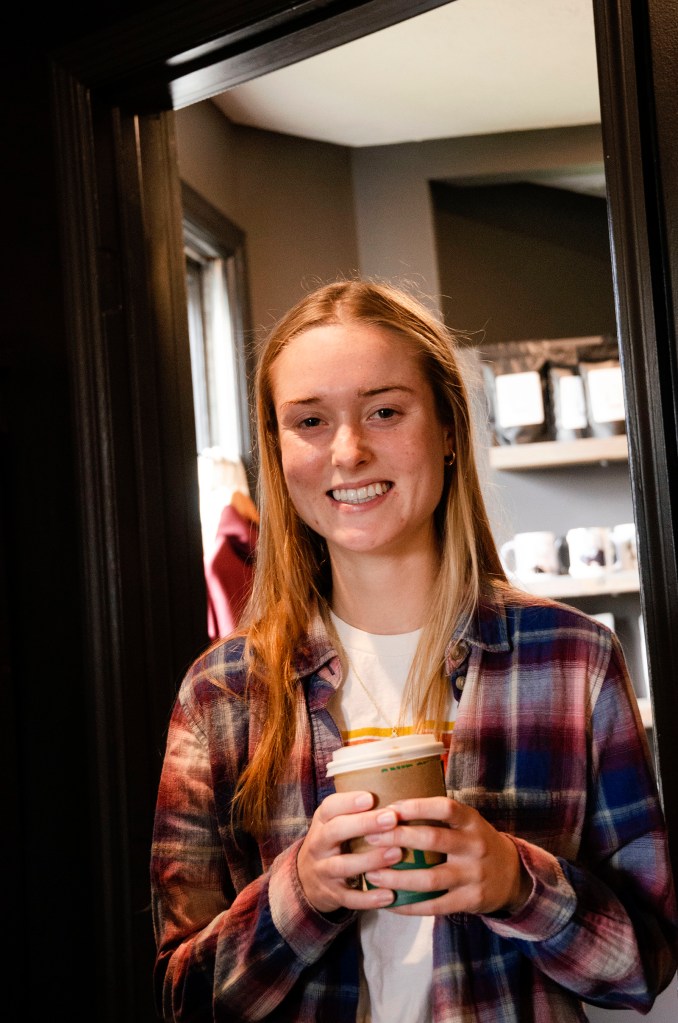
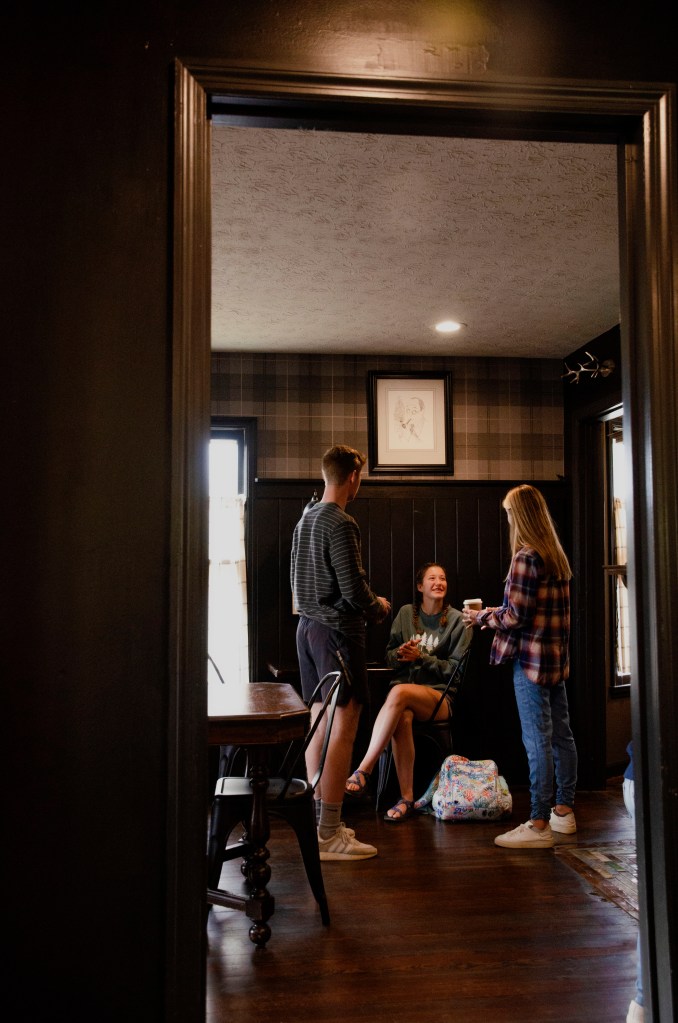
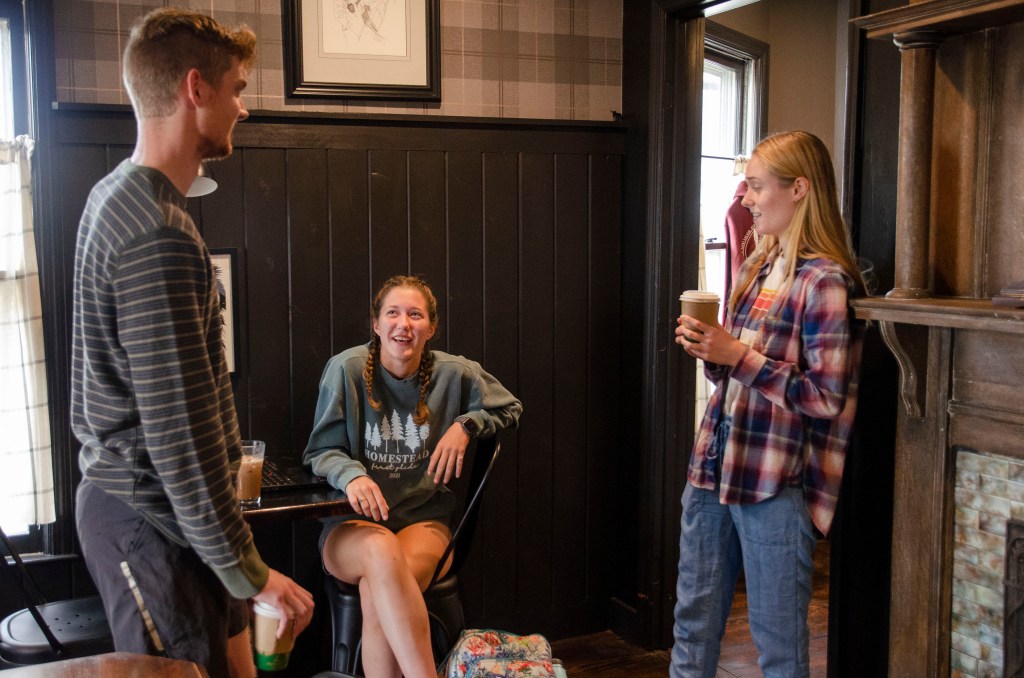
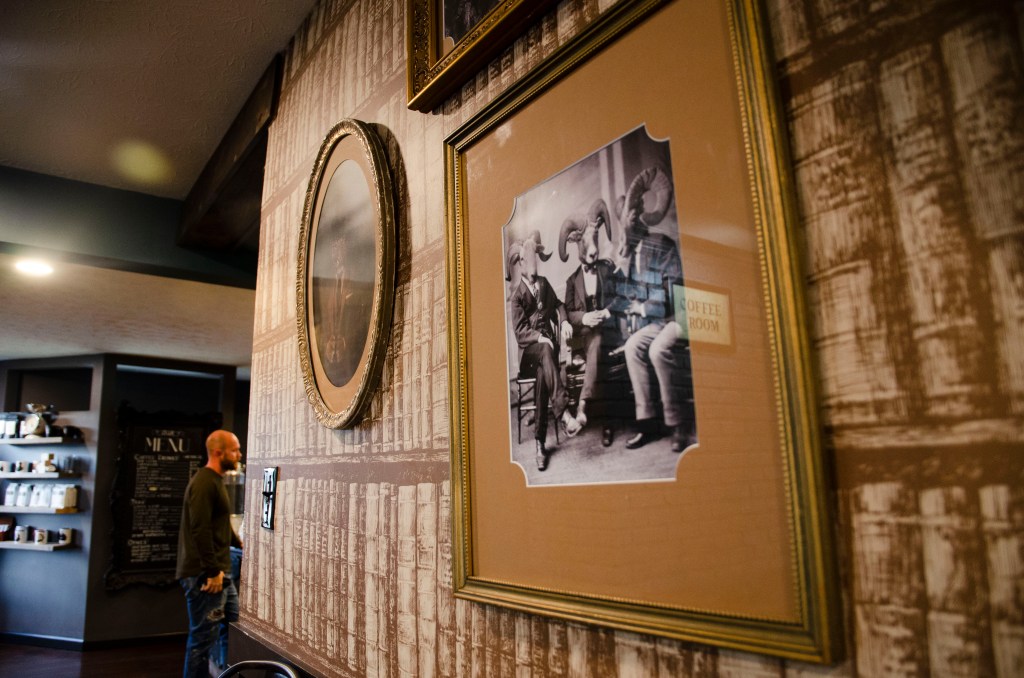
Across town, Wilmore’s newest coffee spot, Drinklings, offers lattes and social space to a different crowd.
“My, how things have changed. People used to be able to disagree without thinking their opponents are morally bankrupt.” –Charlie
“I’m from the suburbs of Chicago. I know nothing about the election.” –Genevieve, an Asbury University student
“I appreciate how things are closed on Sundays, because rest is important, but there’s no place to go to study.” –Audrey, also a student
Solomon’s Porch is one of the town’s few lunch spots. It’s not open for evening dining, but during the morning and early afternoon it’s a favorite option for sandwiches, salads, and coffee.
“How can we have a thriving downtown economy? How can we better support businesses?” –James
“If it doesn’t address race or the marginalized, I don’t give a rip.” –Jon
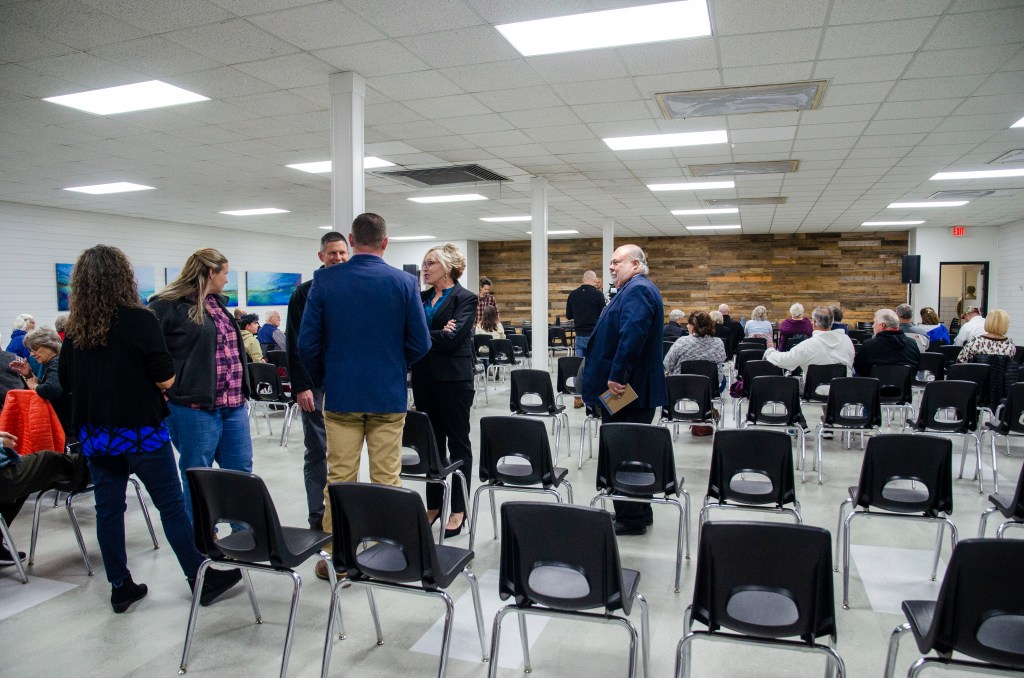
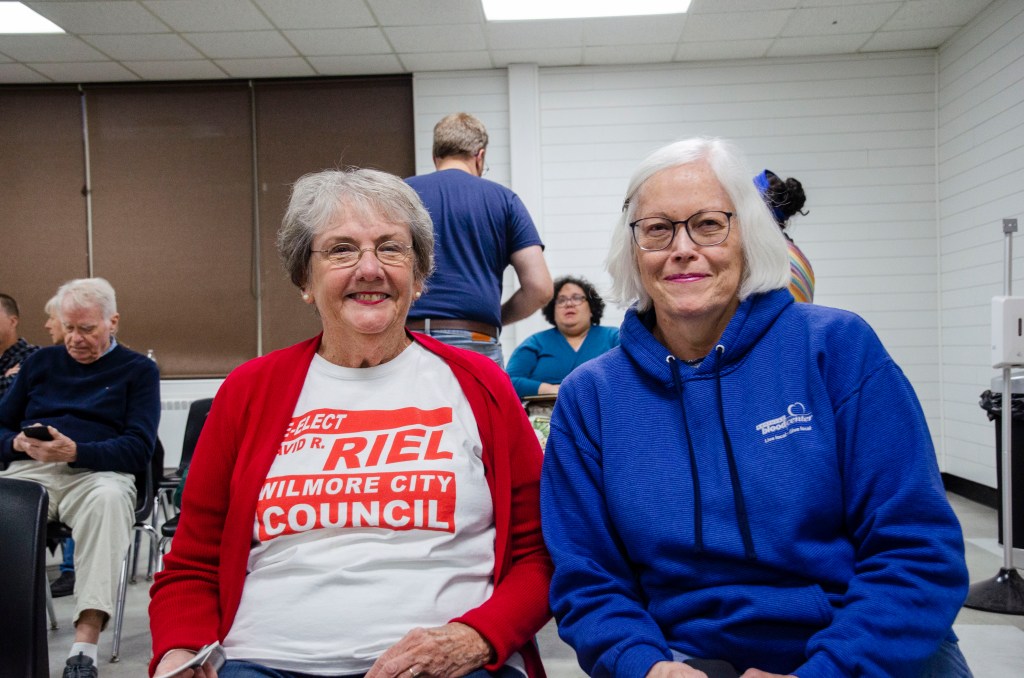
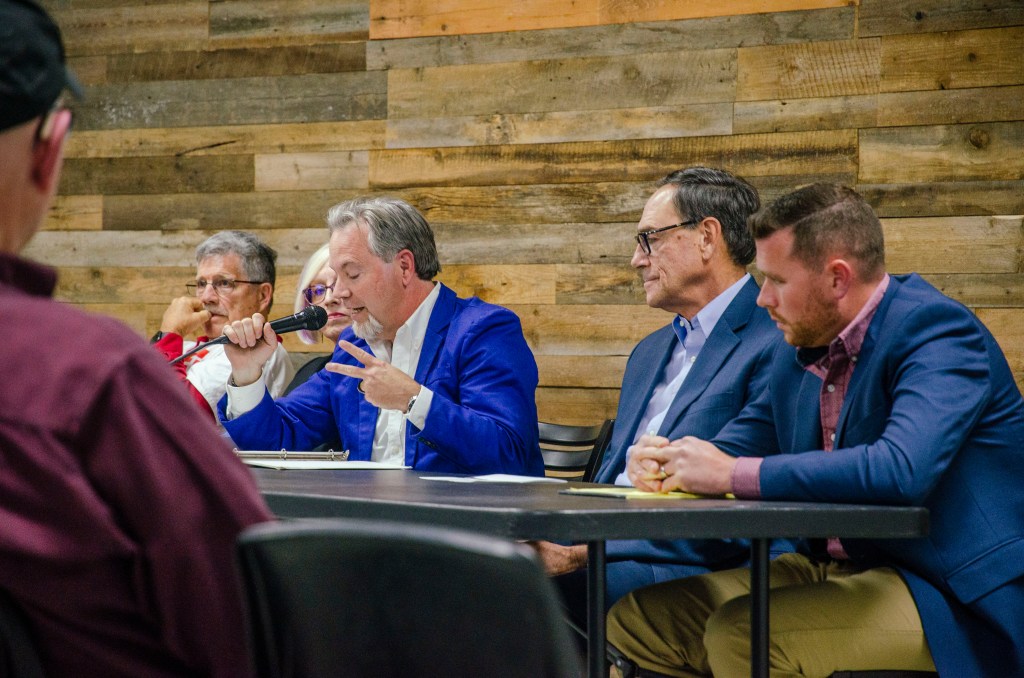
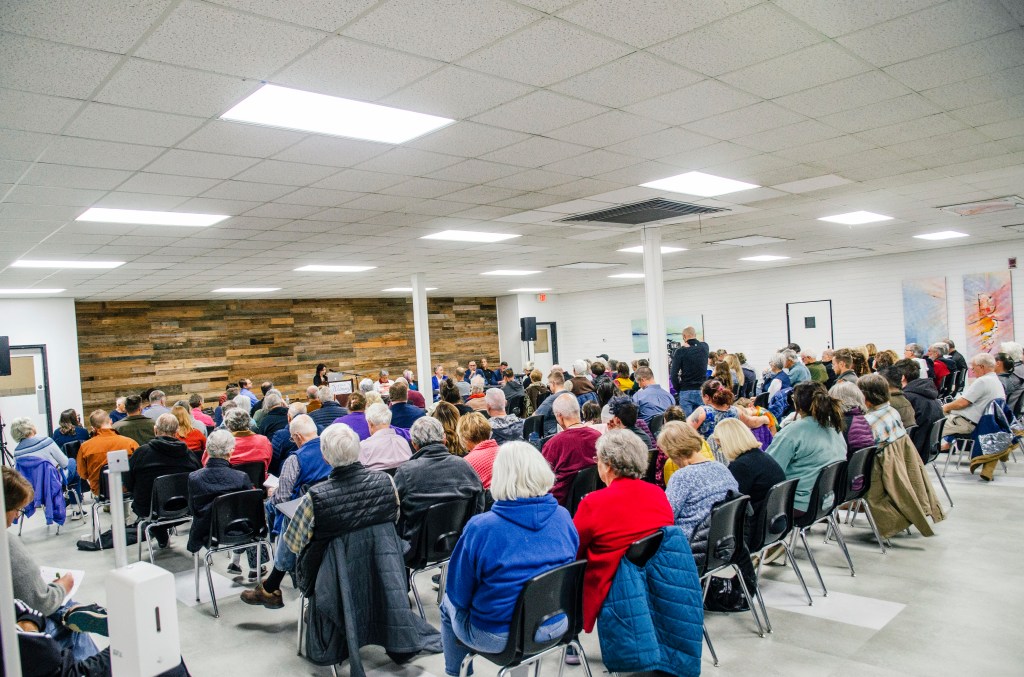
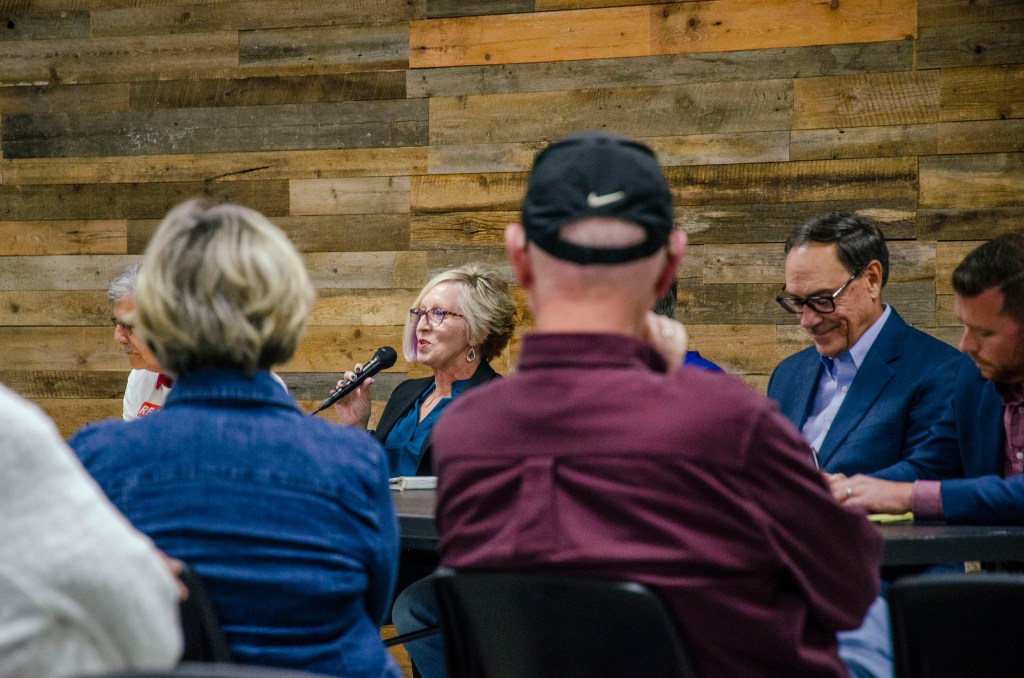
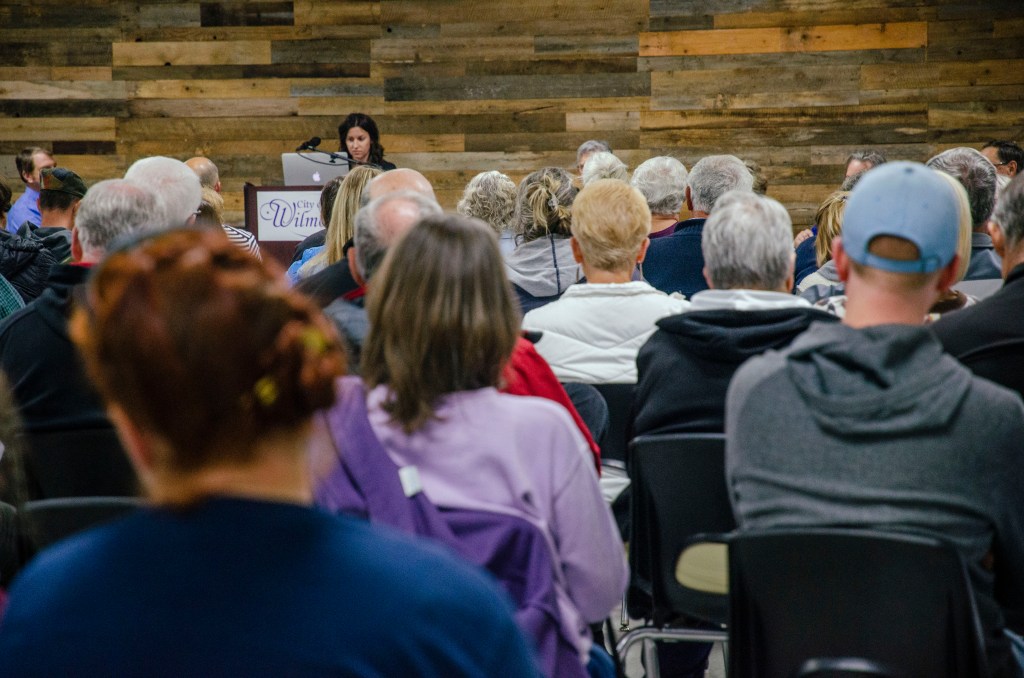
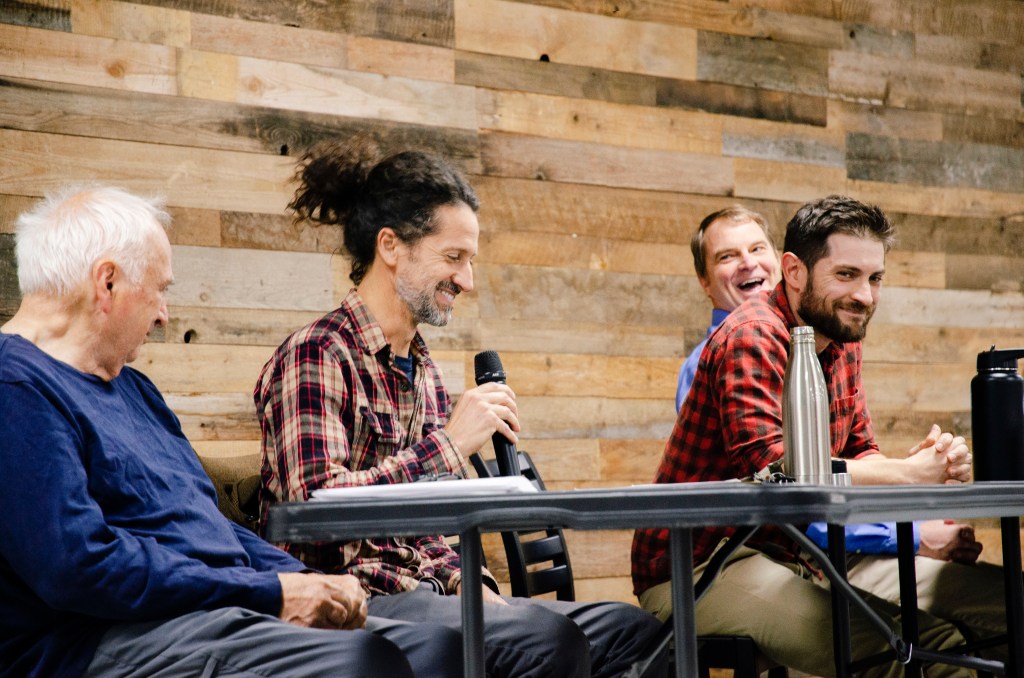
One of the biggest local events of the season was a forum held after hours at city hall. Our kids bounced between the political debate and a volleyball game across the hall. We met a new baby for the first time and talked with a neighbor about the books he’s been reading lately.
“I’m looking forward to the forum, to hearing from the candidates their viewpoints on various needs of the community.” –Melani
“I like the small-town feel. I’m not very interested in making it into a bedroom city for Lexington. But we do need to stay with the 21st century as far as technology and stores and rules and so forth, but I like my small town.” –Faye
“I’m here to learn more about the candidates–especially the new ones.” — Bonnie
“This was my cafeteria when I was in grade school. . . . . Your agenda is my agenda.” –Jim Brumfield
“I got to Wilmore in 1956. I graduated from Wilmore High School and Asbury College. It has been my privilege to be in Wilmore. I feel I’m very available to any person who had any problem. I would like to listen to them and do all I could.” –Leonard Fitch
“My number one qualification is that I love Wilmore. I have six grandchildren and two children living in Cincinnati. We could move up there tomorrow. I could retire tomorrow. We’re here because we love this town.” –David Riel
“Wilmore is now wet. I don’t know if anyone saw it coming. The city council has taken steps to mitigate this fact, to try to take it off the table post-facto by making things as expensive and difficult as possible so nobody ever wants to sell alcohol in Wilmore. But what we’re doing is making it so that nobody local can do a nice, sit-down restaurant in Wilmore.” [Currently, only Dollar General sells beer in town.] –Wade Mitchell
“It’s not that difficult to go to council meetings. I just began going to the meetings. I try to go to just about all of them. The by-product of that is that the council asked if I would join the board of adjustments. A couple of years after that a spot opened up on the planning commission. So this is just the logical next step: to run for council.” –Wes Metcalfe
“First, I want to advocate for more trails. I want pathways through neighborhoods. I want connectivity from here to places outside Wilmore. . . . Third, I want a sit-down dinner restaurant.” –Andy Bathje
“Jessamine County is number five out of 120 Kentucky counties for overdoses. I’ve spent about fifteen years in recovery ministries. This is very important to me.” –Jerri Hemenover
“I’ve got kids. I’ve got a five-year-old, a nine-year-old, and a twelve-year-old. We spend a lot of time outside. We go to playgrounds. We roam around the countryside on our bikes and go swimming in creeks. I’m always up close and observing spaces. I’m looking at what can be improved upon.” –Bradley Cochran
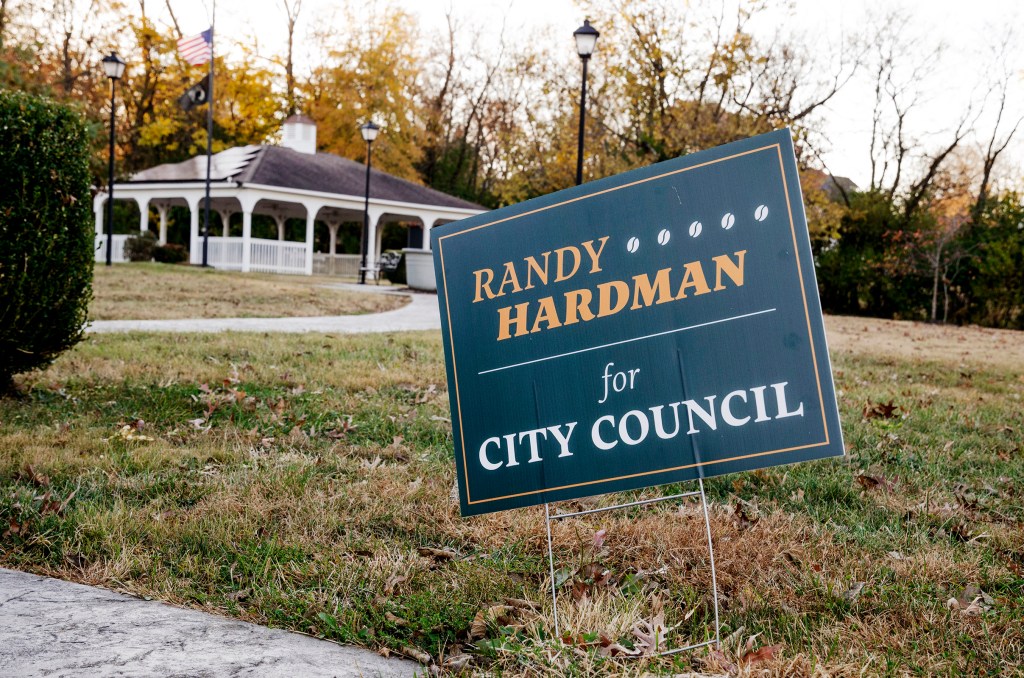
“We have more Ph.D.’s per capita in this town than any other place in America. We have two giant institutions with libraries and faculty. So how do address homelessness? We have a lot of people in this town who are trained in things like mental health, social work, and systems.” –Randy Hardman
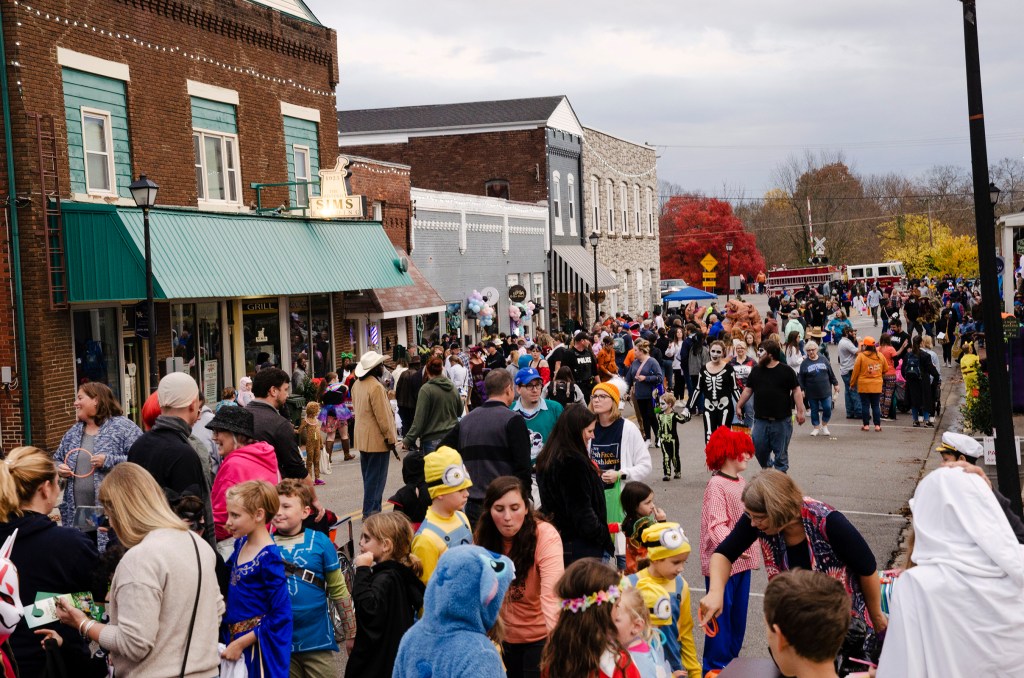
The town, and its candidates, turned out in force for “Treats on Main,” the annual Halloween celebration.
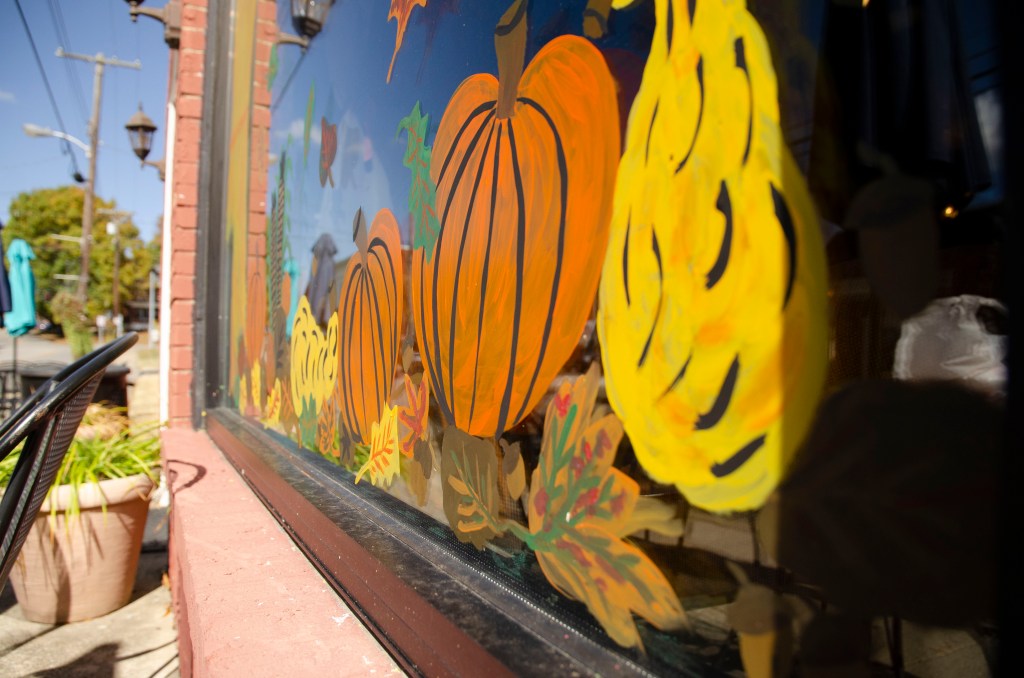
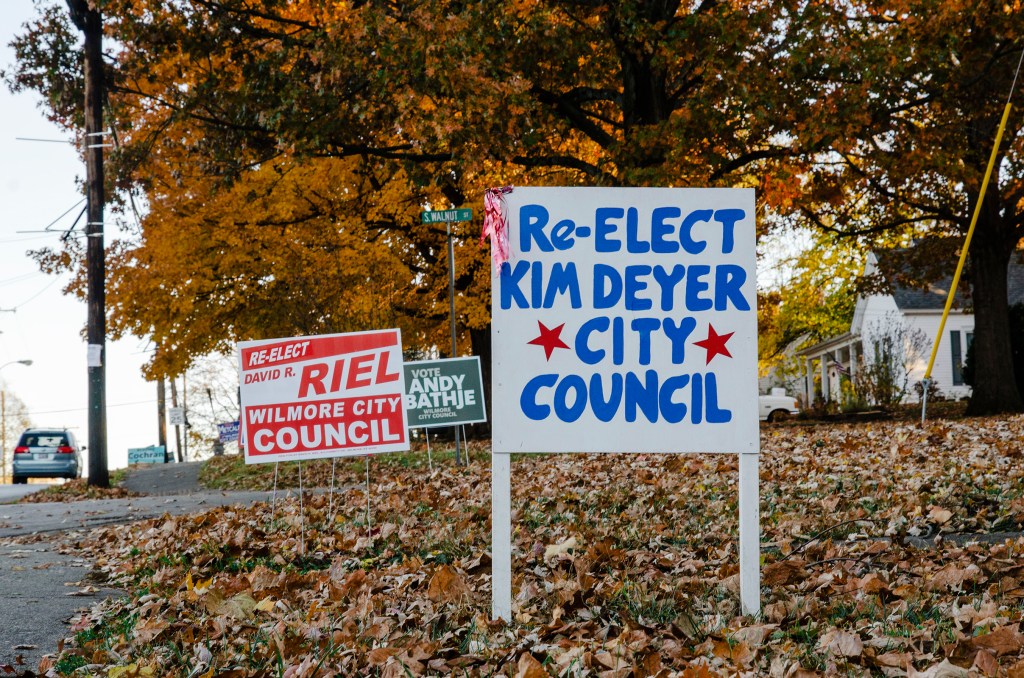
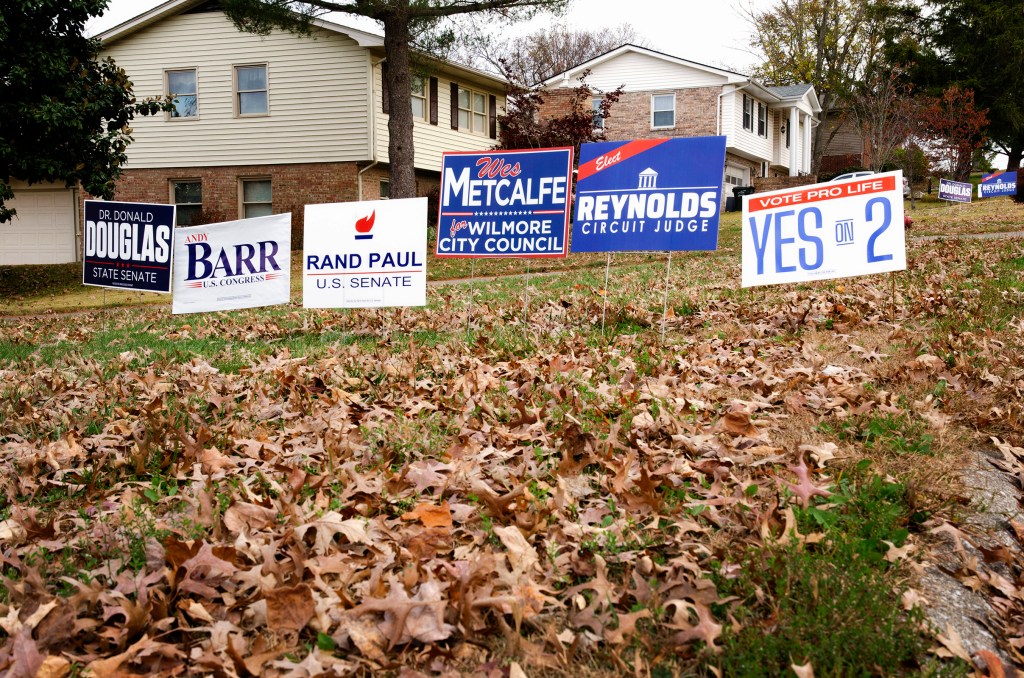
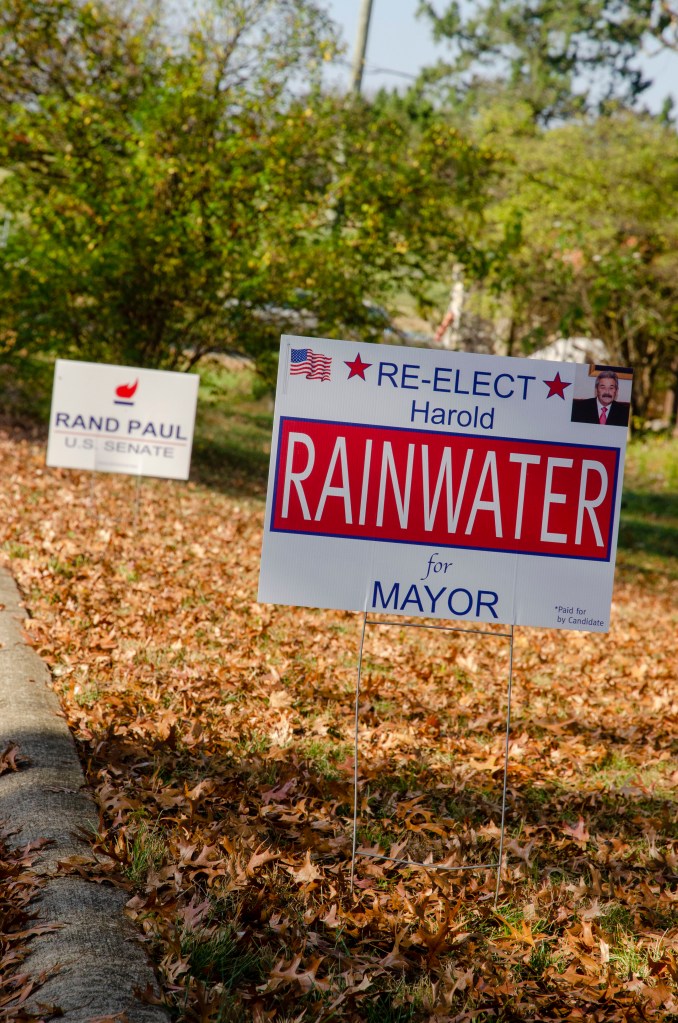
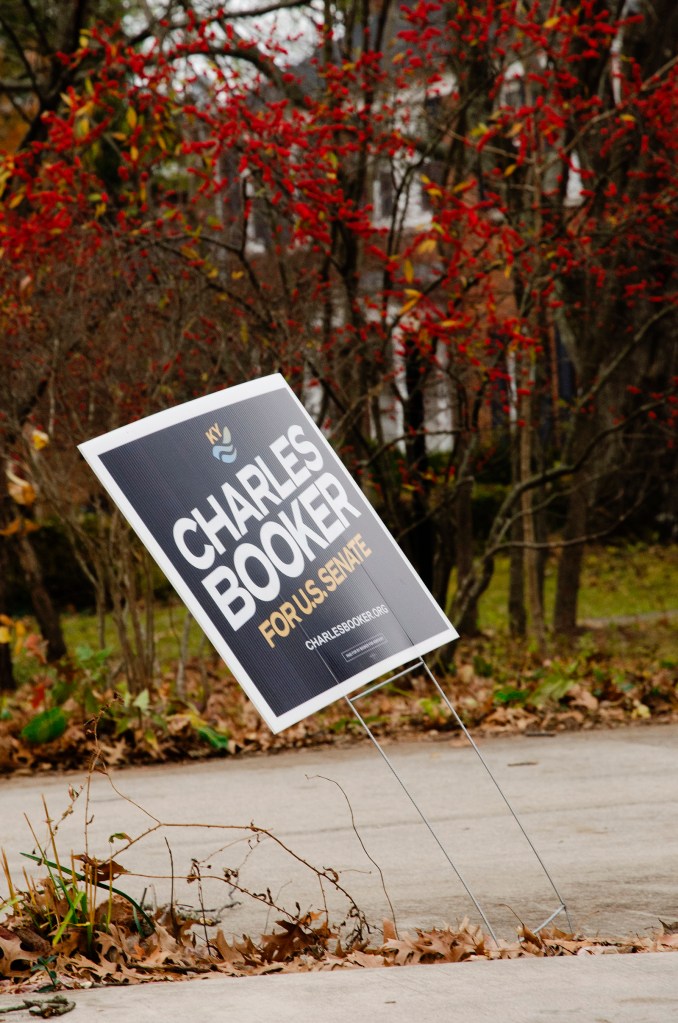
Residential streets are lined with piles of fallen leaves and fall-themed decorations, along with signs supporting local city council candidates. Only occasionally are they accompanied by signs for state races.
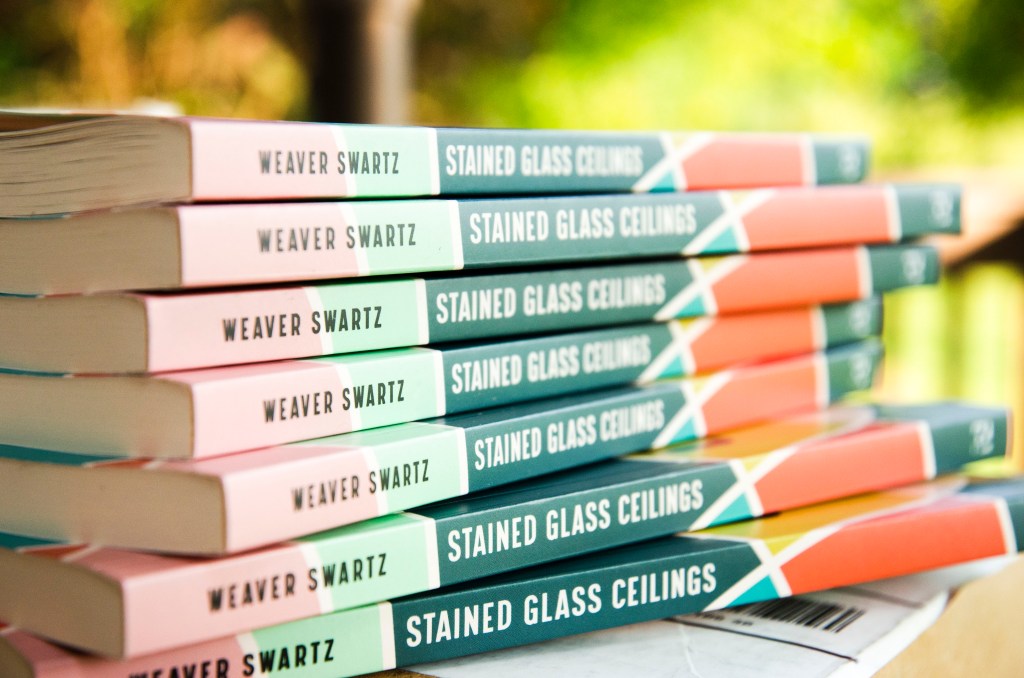
These author copies showed up on my front steps last week. The thrill of pulling them out of the box lived up to the hype.
The kids celebrated with me in their own ways. One said, “What do you want us to do, read it?!?” Another posed while “reading” it upside down (which his brother thought was witty). The last one left before I could snap a picture. I’ll take what I can get.




































 Lisa Weaver Swartz